The Lightfoot Collection
Material selection is only the beginning. Composition is where the design takes shape.
At The Lightfoot Group, wood surfaces are not treated as a finish decision made at the end of the project. They are developed as part of the design language from the start, coordinated with cabinetry, hardware, stone, lighting, and the architectural lines of the room.
Whether the project calls for a calm contemporary veneer, a richly expressive wood-grain vanity, or a laminate selected for precision and performance, we guide the composition so the finished installation feels cohesive, intentional, and built for the way the home is lived in.
What Lightfoot Controls
Material Direction
Species, finish, sheen, and surface character
CAD Coordination
Grain flow, panel layout, reveals, and alignment
Installation Outcome
A surface that feels resolved, not assembled
Bois Lamica
Bois Lamica gives us a highly refined language for cabinetry and millwork, but the value is not in veneer alone. The value is in how that veneer is composed, scaled, and coordinated within the room.
For high-end kitchens, baths, bars, libraries, and built-ins, we use veneer matching as a design tool. Grain direction, seam placement, panel balance, and continuity are considered in CAD, then aligned with the cabinetry package so the final result feels architectural rather than decorative.
This is where Lightfoot adds control. We do not simply present samples. We guide the visual outcome, coordinate it with Lauriermax custom sizing and finishing, and carry the design from conceptual drawings to completion.

Best Used For
Kitchen elevations where grain continuity matters
Primary bath vanities that need warmth without visual heaviness
Bars, libraries, and built-ins designed as architectural focal points
Projects where cabinetry, hardware, and adjacent materials must read as one composition
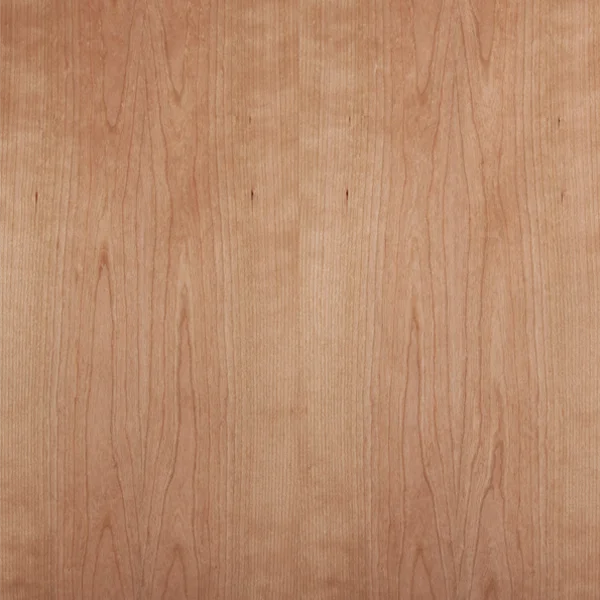
Book Match
A mirrored composition that creates symmetry and visual presence. We use it when the wood surface should read as a focal design gesture rather than a quiet backdrop.
Best used for: statement islands, feature panels, and range walls
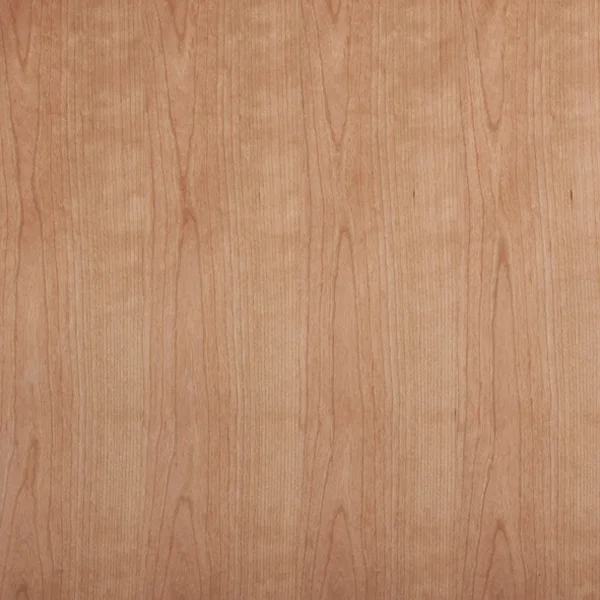
Slip Match
A more linear and controlled composition without mirrored repetition. This keeps the surface calm, tailored, and well suited to contemporary cabinetry.
Best used for: modern kitchens and long, uninterrupted cabinetry runs
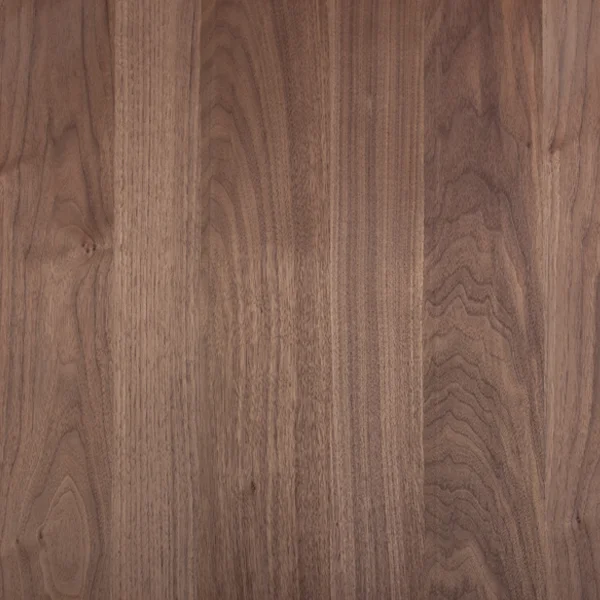
Plank / Random Match
A composition with more natural variation, closer to the character of solid wood. We use it when warmth, movement, and authenticity matter more than strict formality.
Best used for: relaxed luxury, secondary spaces, and organic material palettes
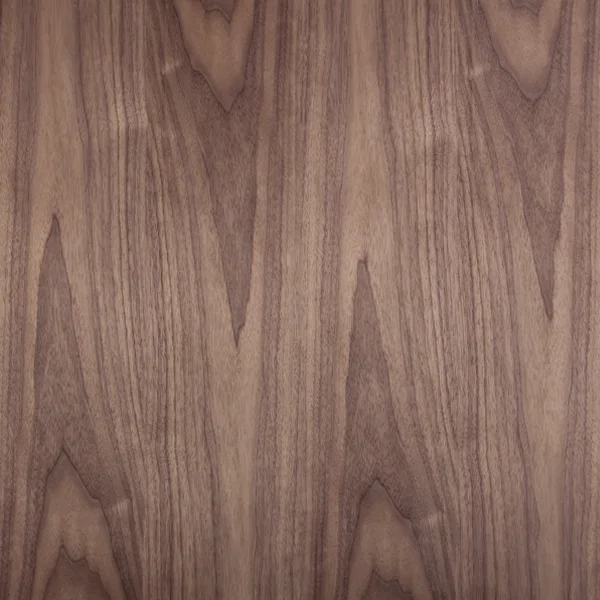
Slip & Swing Match
A disciplined middle ground that softens repetition while preserving order. It gives larger installations a more nuanced rhythm without losing composure.
Best used for: full-height millwork and expansive veneer surfaces
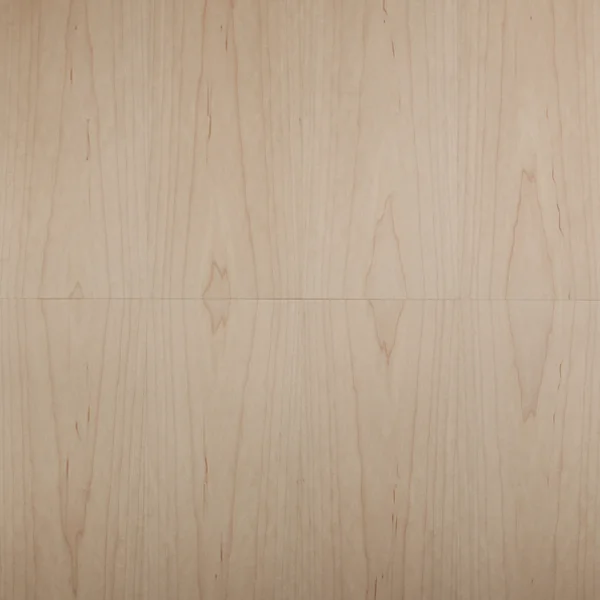
End Match
Alternating panels are flipped end-for-end, reversing the grain direction with each leaf. The result is controlled movement — structured enough for formal spaces, dynamic enough to hold attention across a long surface.
Best used for: horizontal drawer banks, wide island fronts, and feature elevations
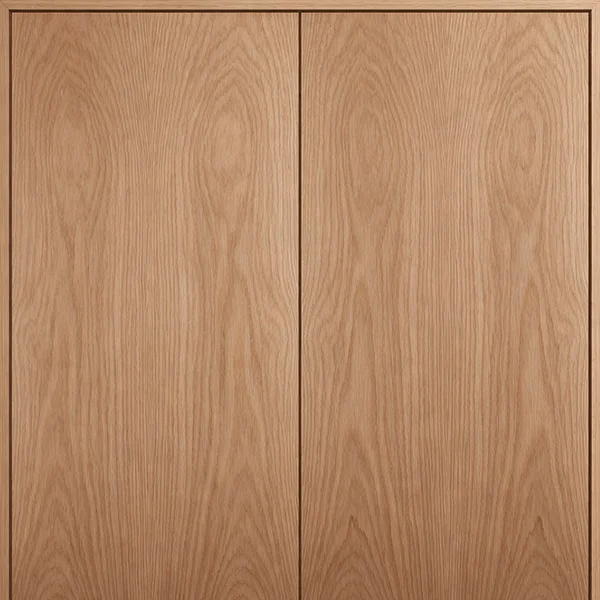
Pair Match
Leaves are grouped in book-matched pairs, then slipped relative to adjacent pairs. The composition introduces a quiet, repeating rhythm that reads as neither fully mirrored nor fully linear.
Best used for: door fronts, panel arrays, and cabinetry where subtle patterning is desired
Veneer Pattern Gallery
From Concept to Completion
The purpose of veneer planning is not technical perfection for its own sake. It is to make sure the final installation delivers the visual calm, architectural order, or expressive character the project calls for.
01
Material Direction
We review species, finish, sheen, and the overall mood of the space so the surface direction supports the architecture from the outset.
02
CAD
Planning
Grain direction, seam placement, panel balance, reveals, and focal alignments are considered in drawings before fabrication begins.
03
Cabinet Coordination
Bois Lamica surfaces are coordinated with Lauriermax custom sizing, door styles, hand-finishing, and adjacent materials to maintain design continuity.
04
Final
Resolution
The completed installation reads as one resolved composition, with no visible disconnect between concept, specification, and built result.
Panel Composition
Matching techniques define the character of each veneer leaf. Composition techniques define how the full installation is experienced across doors, drawer fronts, end panels, vanities, and built-ins.
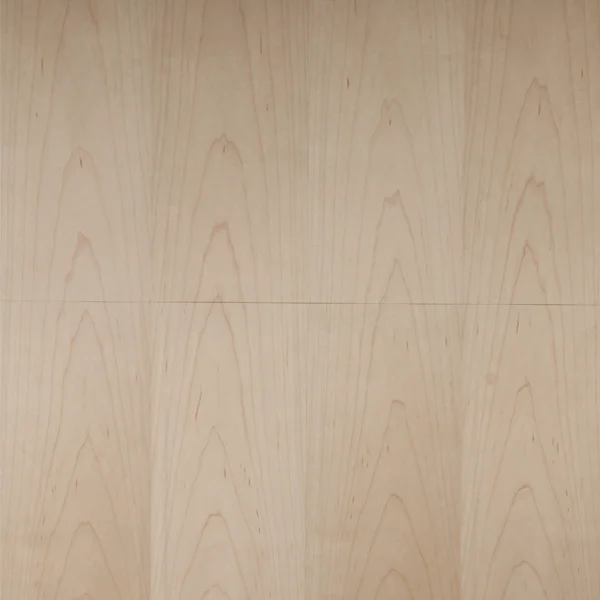
Continuous Match
Grain flows from one panel to the next for a more seamless and architectural result.
Best used for: tall cabinetry, wall paneling, and full elevations
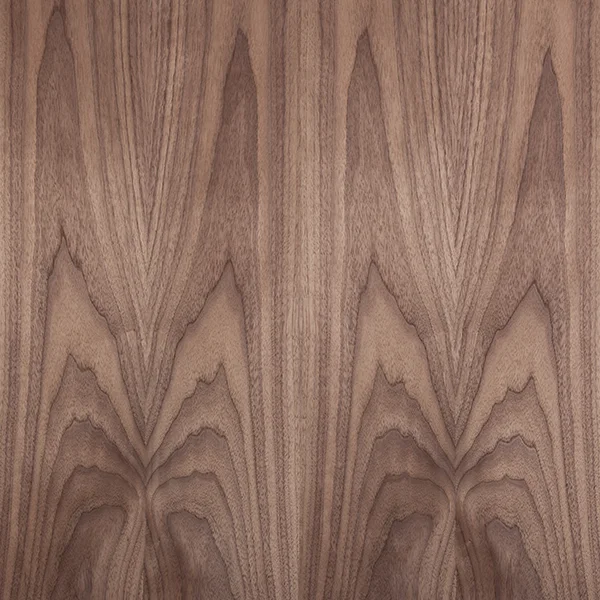
Center Match
A deliberate seam at center creates symmetry and gives the surface a stronger architectural anchor.
Best used for: hoods, vanities, and formal focal points
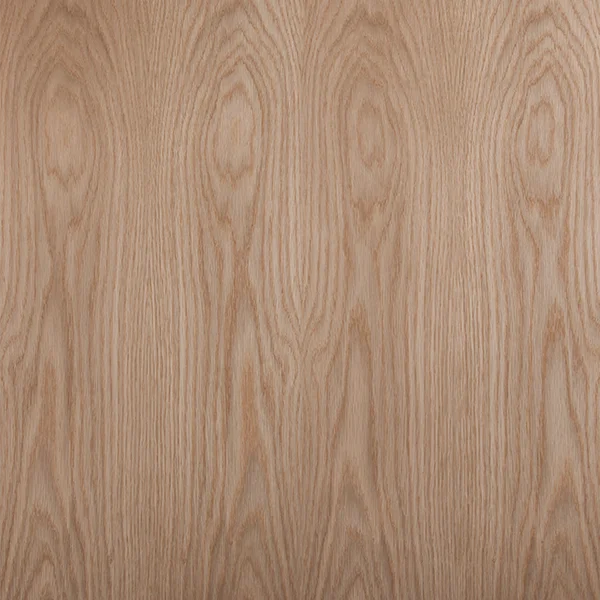
Balance Match
Even spacing creates a measured visual rhythm and a more tailored overall surface.
Best used for: composed kitchen runs and highly ordered cabinetry
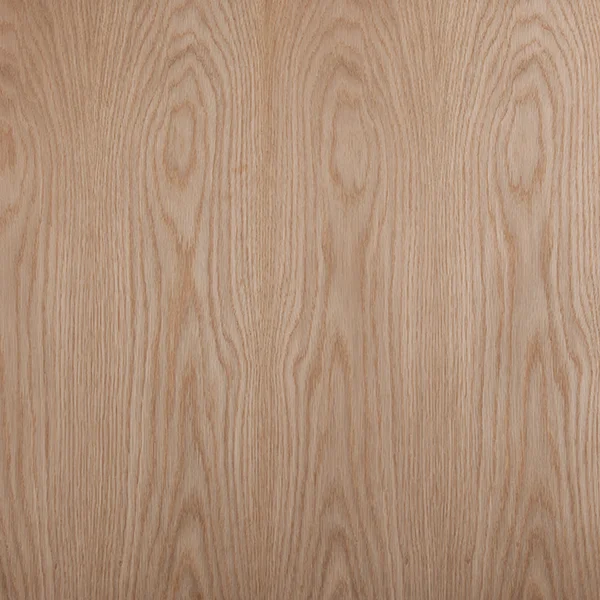
Running Match
Slight variation in leaf width introduces movement for a less formal, more relaxed composition.
Best used for: projects seeking warmth without losing discipline
Product availability varies by region. Not all manufacturers, finishes, or collections shown on this page are available in the United States or Canada. Availability depends on current supplier networks, distribution, and project-specific sourcing.